primal

As far as I can tell, one of this year’s most popular gadgets was the Instant Pot, an electronic pressure cooker that doubles (triples, etc) as a slow cooker, rice pot, steamer, yogurt maker, and more. I’m most frequently asked to develop recipes for it by my readers, followed closely by folks looking for slow cooker (crockpot) recipes. So this week’s Pot Roast recipe is the best of both worlds – a pressure cooker recipe that also includes instructions for slow cookers. Heck, I even threw in Dutch Oven instructions while I was at it.

Don’t let the lengths of these instructions scare you away. Each recipe is essentially four parts: brown the roast, cook the roast (and vegetables), broil the roast (and vegetables), and reduce the sauce. It’s a bit more involved than dumping everything in a pot, but well worth the extra effort: tender meat, roasted vegetables, and tasty sauce all at once.
Read Full Article

I’m going to keep this week’s recipe intro a bit short, because to be honest I’m a little distracted – we welcomed our second child into the world yesterday! His name is Elliott and I’m sure plenty of pics will soon be coming to my various social media platforms.

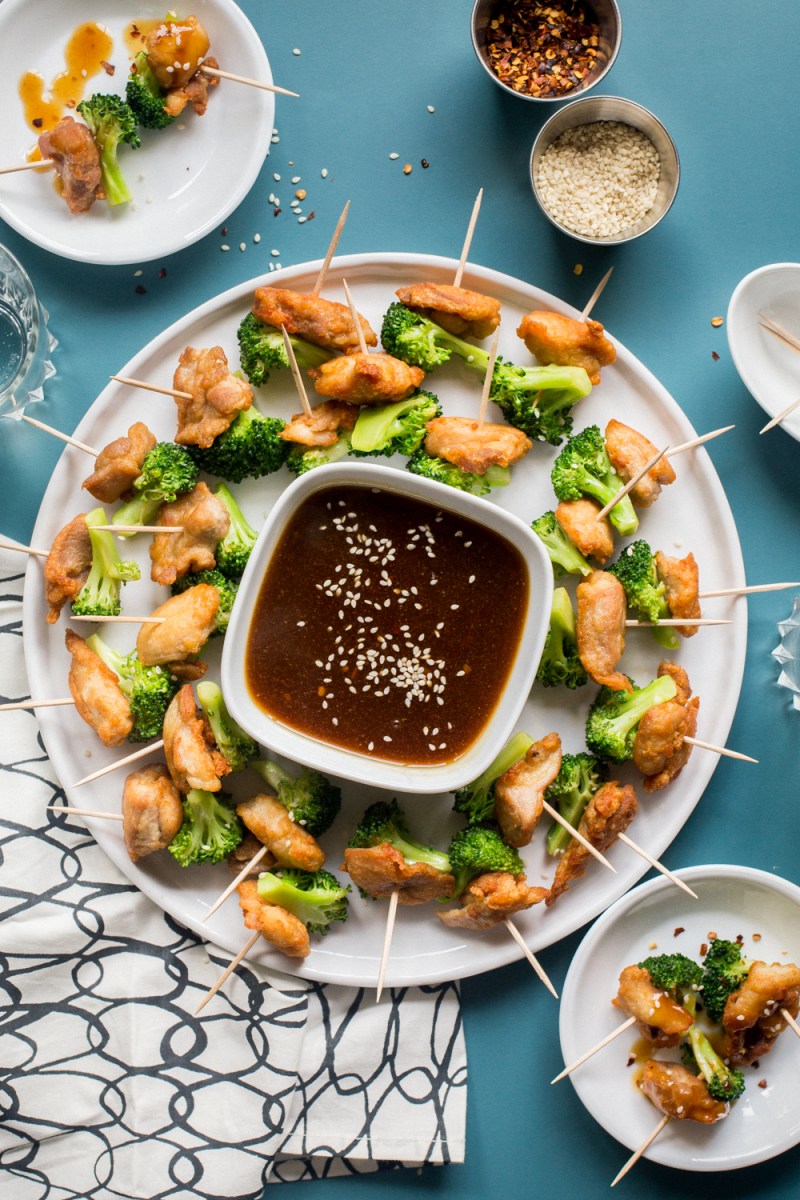
I recently asked my readers what recipes they’d like me to tackle next, and an overwhelming majority asked for pressure-cooker meals; for those folks, I have something special in store for next week. Meanwhile, a vocal minority asked for appetizers to bring to holiday parties, so I put together this recipe as a fun way to enjoy a classic Chinese takeout dish: Chicken & Broccoli. While not as celebrated as its big brother, Beef & Broccoli, I like the contrast of crisp chicken with a dark sauce. Enjoy!

Read Full Article

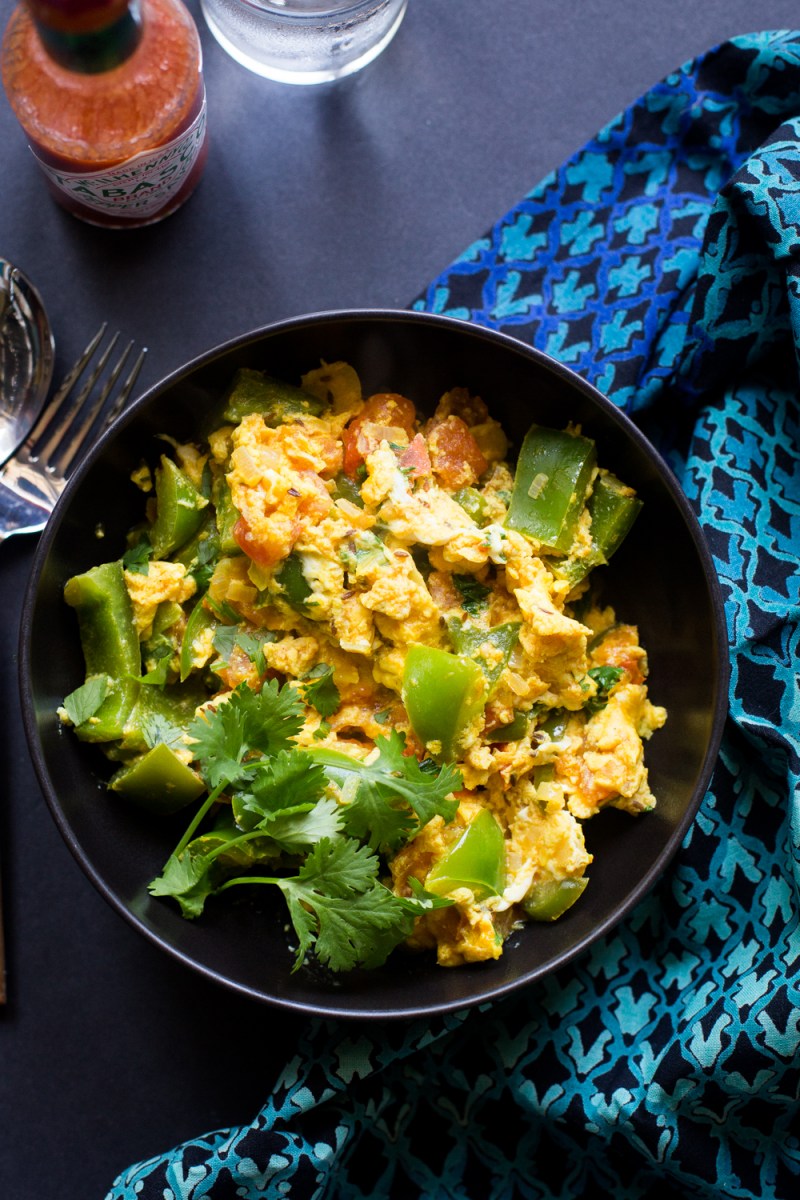
Many mornings, I wake up in the mood for eggs…but also not in the mood for eggs, you know what I mean? The consistency and flavor of traditionally-prepared eggs are both a godsend for predictability and a major exercise in patience for discerning eaters like yours truly. And it’s not just me who is sometimes bored with eggs; it’s a global pheomenon, demonstrated by the myriad of ways to prepare eggs – scrambled, fried, flipped, deviled, basted, roasted, poached, shirred, boiled, and scotched. I feel like a cast member of Forrest Gump right now, but you get my point.

Egg Bhurji is a recent favorite, as it combines exotic South Asian flavors with an egg scramble for delicious effect. All it takes is a bit of prep to chop and soften the vegetables before adding in the eggs; it’s definitely worth that extra few minutes of effort.

Read Full Article


I recently partnered with Reynolds Kitchens to develop some unique Fall and Holiday recipes for their Endless Table project; some were reimagined classics (see: Tender Eye of Round Roast), while others were new creations designed to capitalize on the versatility of tin foil (see: Roasted Sausage and Sauerkraut, Oven Roasted Artichokes).

I enjoyed the opportunity to dive into one specific product, and it end up maturing the way I think about tin foil – no longer relegated to simply preventing foods from sticking to a baking sheet, but rather as an instrument that can molded to fit a number of circumstances.

For one recipe, these Bacon-Wrapped Sweet Potato Bites, the tin foil solved one particularly pesky problem: how to roast sweet potato pieces so that they are fully cooked but not dried out. The solution is simple – cover the sweet potato bites with Reynolds Wrap for the first half of the cooking time, then remove the foil and let the oven crisp up the outside of the potatoes. Adding bacon, as expected, raised the dish’s flavor to a whole new level; and the strategic use of tin foil allowed me to ensure the bacon and sweet potatoes were cooked just right, and in tandem.

The full recipe is hosted on the Reynolds Kitchen website; click here to check it out. Also be sure to watch the video above – these sweet potato bites make a cameo appearance mid-way through the shot (they’re on the right).

When filling out our weekly meal plan, my family often consults my cookbooks; after all, the main reason I included particular recipes in those books is because they’re our favorites. This week we decided to make the Thai Red Curry recipe from Paleo Takeout, and I thought it would be fun to share the recipe with you folks as well.

Thai Red Curry differs from other popular Thai curries in that its base is made from dried chiles instead of fresh chiles. In order to temper the considerable heat of dried Thai chiles (usually the only chili used in traditional Thai Red Curries), I use a combination of large, mild dried chiles (like Anaheim, Guajillo, or New Mexico chiles) and spicy Thai chiles. To increase the intensity of your curry, simply add more spicy chiles.

Read Full Article

Friendly reminder that the Kindle version of my debut cookbook, The Ancestral Table, is available for $2.99 on Amazon for today (Nov 24th) only!

Jambalaya has its origins in European cuisine, and it is commonly believed that the dish is the result of Spaniards living in New Orleans attempting to recreate Paella using local ingredients. The word Jambalaya itself comes from the Provençal (Southern France) word Jambalaia, which means “mish-mash”. Some folktales posit that the word is a combination of Jamón (“ham”) and Paella, but that falls a bit flat when you consider that ham is not a traditional ingredient in Jambalaya.

But what are traditional ingredients, you might ask? Good question. First, there are two major types of Jambalaya – Creole (or “Red”) and Cajun. The main difference between the two is that Creole Jambalaya, the more popular version of the two, contains tomatoes (the Cajun version has more rural roots, where tomatoes weren’t readily available).

Aside from the standard “holy trinity” mirepoix of onion, celery, and bell pepper, there are plenty of proteins used in this dish: shrimp, sausage, alligator, chicken, crawfish, oysters, and nutria rat. For this recipe I used the most readily-available proteins: sausage, shrimp, and chicken; if you have access to some of the more adventurous ingredients from this list, go for it.

Read Full Article

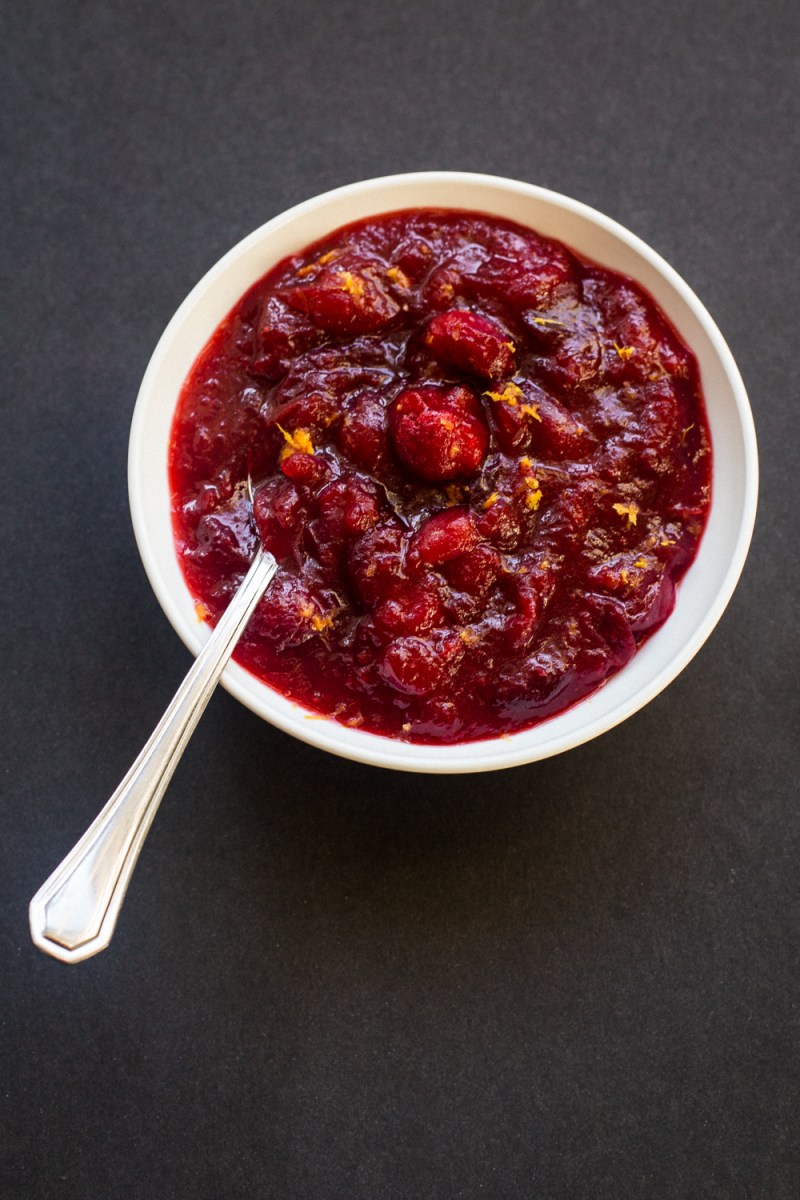
I know what you’re thinking – two recipes in one week? That’s right folks, in anticipation of one of the biggest cooking days of the year next week, I’m providing you with 200% of my typical weekly recipe spread. Tuesday’s recipe for Devilish Eggs makes for a perfect appetizer, while this simple cranberry sauce is fitting for any Thanksgiving plate: Paleo, Primal, gluten-free, or even gluten-laden.

I’m going to be on the road for most of next week (one last family vacation before our second child arrives next month), so I want to give you a few news updates before your holiday shopping reaches full swing.

First, the Kindle version of my debut cookbook, The Ancestral Table will be on sale November 24th (this coming Tuesday) for $2.99, 66% off its normal price! This is part of a large-scale, one-day Paleo eBook sale; follow this link to sign up and be notified the moment the discount is available. Also, I’ll post the full list of eBooks on sale at the bottom of this recipe – it’s an excellent selection!

Next, the folks behind TX Bar Organics are offering 35% off all orders over $100, with free shipping on orders over $175 using the code “HOLIDAYS” (all caps). This is an excellent opportunity to fill your freezer with high-quality organic grass-fed beef.

Finally, I’ve recently started writing for Yahoo Food, which has been a lot of fun. Check out this recipe for New Brunswick-Style Potato Stuffing. This stuffing rounds out the perfect holiday meal, when paired with the cranberry sauce recipe below plus some other favorites: Devilish Eggs, Smoked Turkey, Roasted Brussels Sprouts, and Mashed Sweet Potatoes.

Read Full Article

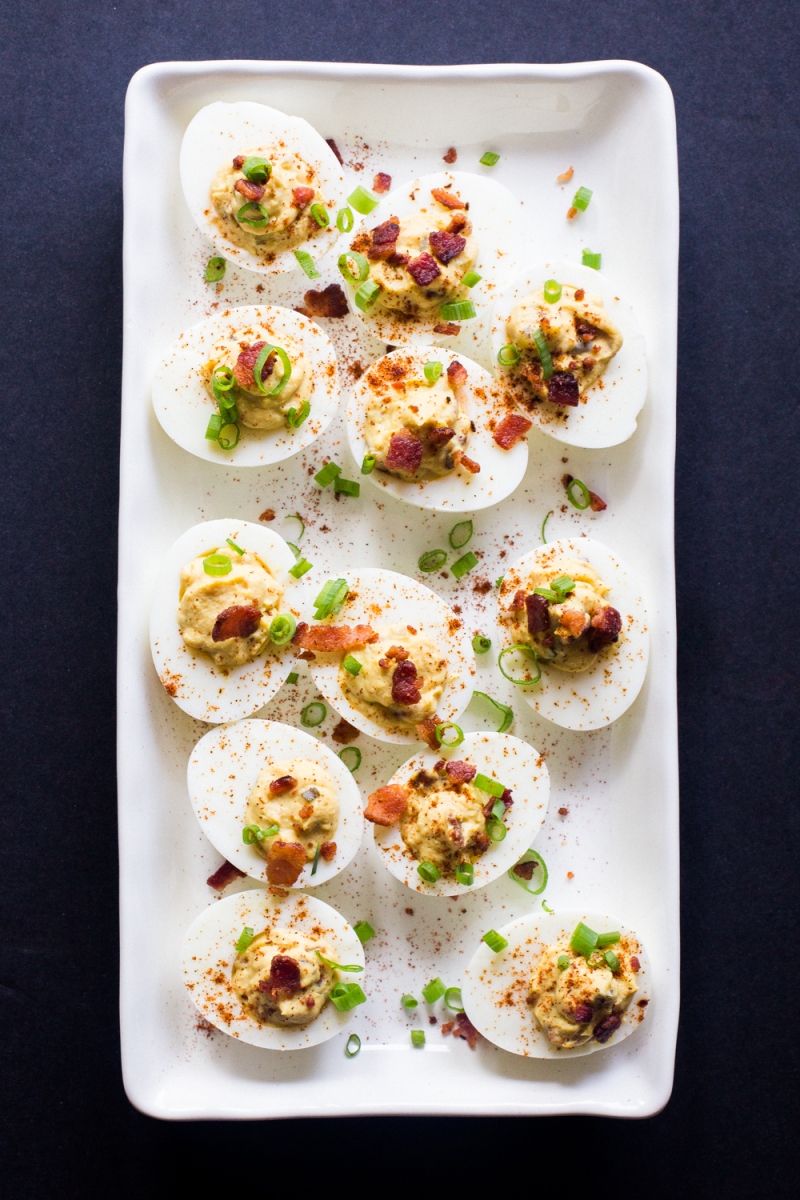
Parties are the worst, right? All those new people to meet, the inevitable bad music that appears on the stereo, and figuring out what food to bring. Luckily, this week’s recipe will solve two party-related issues: bringing food and breaking the ice (there’s really no fix for bad music). You see, not only are these classically-prepared deviled eggs delicious, but they are a fun party trick, too.

While the name deviled eggs might lead you to think of something wicked, there is no association between this dish and Beelzebub. The term deviled first appeared in England in the 18th century, in reference to dishes that were highly seasoned (usually with mustard and black pepper). So while many folks will use the terms “stuffed eggs”, “dressed eggs”, or “angel eggs” to remove any perceived evil from this popular appetizer, there is none to be found. But this fact got me thinking – what if I could add a bit of mischief to these eggs?

So here’s the trick: place a random amount of Tabasco between the white and yolk of the deviled egg, then let the other party attendees guess how many drops of Tabasco are hidden within each egg they choose.

By the way, the concept of eating eggs before a meal is not new. In Ancient Rome, eggs were part of gustatio (the world’s first word for appetizer), and were so commonplace that a popular saying soon appeared: “ab ova usque ad mala”, which translates to “from eggs to apples”, or from the beginning to the end (apples were served as post-meal treats).

Read Full Article

Local friends: I’ll be having a talk, cooking demo, and book signing in a couple weeks – for more info, see the bottom of this post.

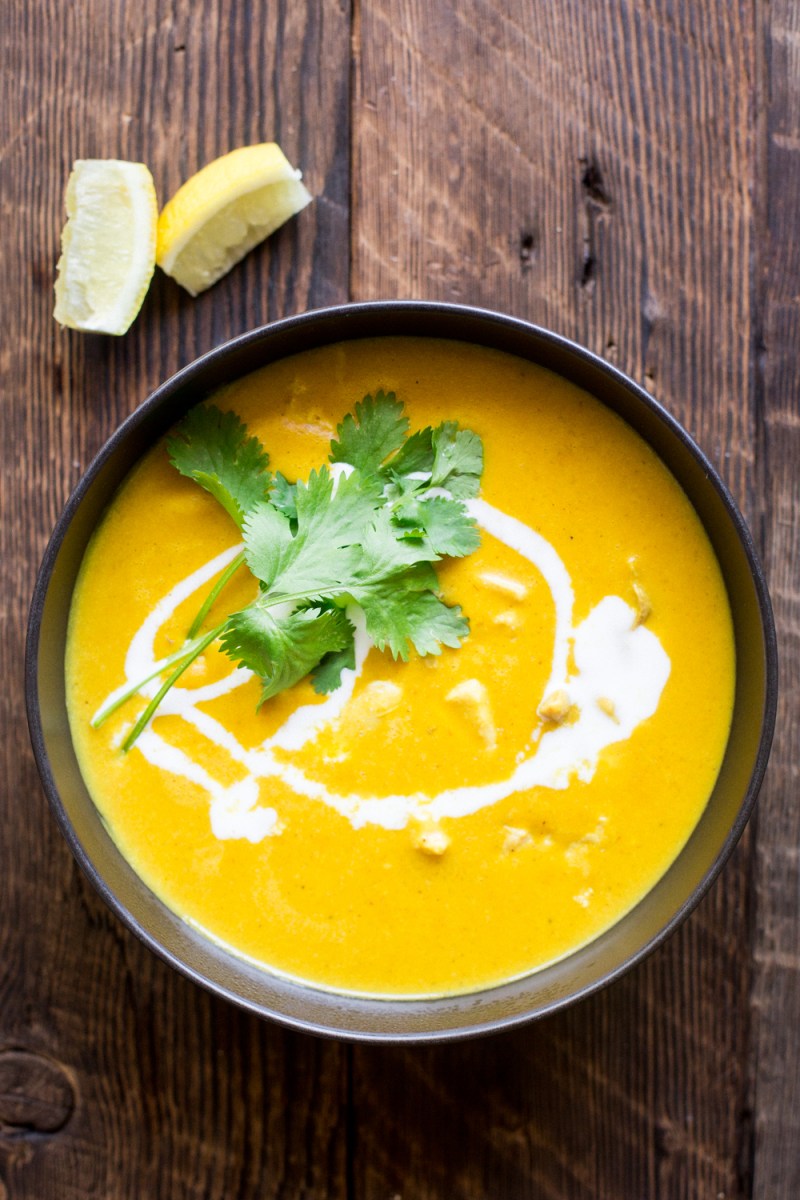
This little soup has made quite a journey over its lifetime. It was traditionally a sauce served over rice in its native India, but British colonials returning to England from travels abroad in the 19th century sought to recreate the dish at home. It eventually evolved into a mildly-flavored soup and spread as far as Australia, and there are now hundreds of variations of the dish.

While coconut milk was likely the original ingredient used to add richness to the soup, cream eventually took over in the UK. Personally, I like the exotic notes that coconut milk provides, so I reverted this dish back to its roots. This soup is typically thickened by adding rice and blending it with the other ingredients, but if you’re rice-free, don’t worry about it, the soup will still have a fairly hearty thickness to it thanks to the soup’s blended sweet potato.

One of my favorite aspects of this dish is that it imparts a slightly exotic flavor while using common ingredients (much like another favorite, Sukuma Wiki). Lastly, one fun fact: the name mulligatawny is derived from the Tamil (Southern Indian) words மிளகு தண்ணீர் (mullaga and thanni), which translate to “pepper water”.

Read Full Article

A favorite dish from Paleo Takeout is my Ramen recipe (page 112), which contains eight different types of Ramen and a variety of add-ins. It’s an excellent way to enjoy different takes on the same soup, while sneaking in a good amount of broth at the same time.

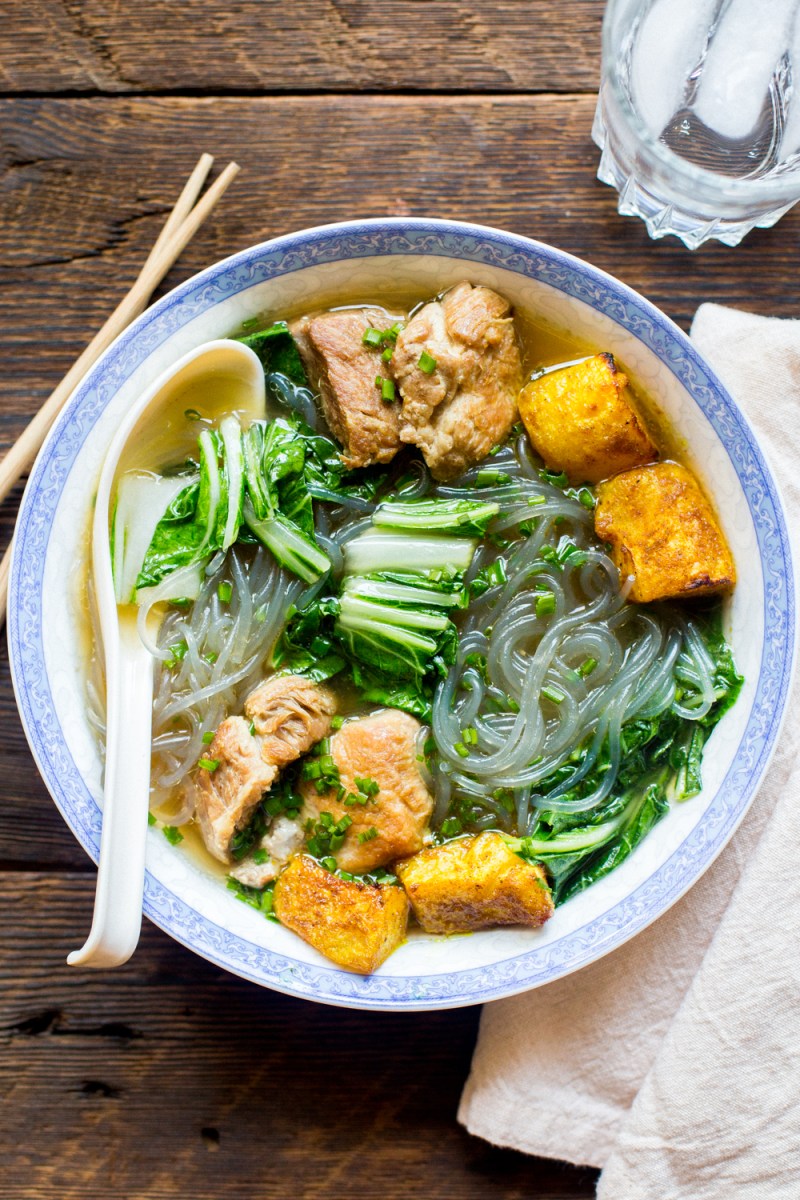
Like a lot of North America, we’re receiving a ton of rain right now, which always puts me in the mood for soup (admittedly, it doesn’t take much for me to get in a soup-eating mood). I figure some of you might be interested in soup right about now too, so here is my take on a simple pork-based Ramen, with some added curried winter squash to celebrate the coming winter season. Both pressure cooker and stovetop instructions are provided.

Ramen is a Japanese noodle dish inspired by Chinese cuisine (the word Ramen itself is borrowed from Lāmiàn, a type of Chinese noodle). Ramen is a relatively new phenomenon; it first started appearing in Japan during the early 20th century, but quickly gained ground after World War II, when soldiers returning from war in China had developed an affinity for Chinese-inspired cuisine (namely noodle soups). At the same time, Japan started importing American-grown wheat flour, which spurred the Japanese noodle-making industry. Ramen’s popularity was secured in 1958 when instant ramen noodles were invented, and later exported starting in 1971.

The impressive reach of Japanese Ramen can be neatly summarized by one fact: it has become very popular in China, where it is called Rìshì Lāmiàn (“Japan-style Lāmiàn”). That the soup can originate in one country, gain prominence in another, only to return to the original country with a new identity is both a testament to how delicious this soup is, as well as the ingenuity and adaptability of the human spirit.

Read Full Article