recipe

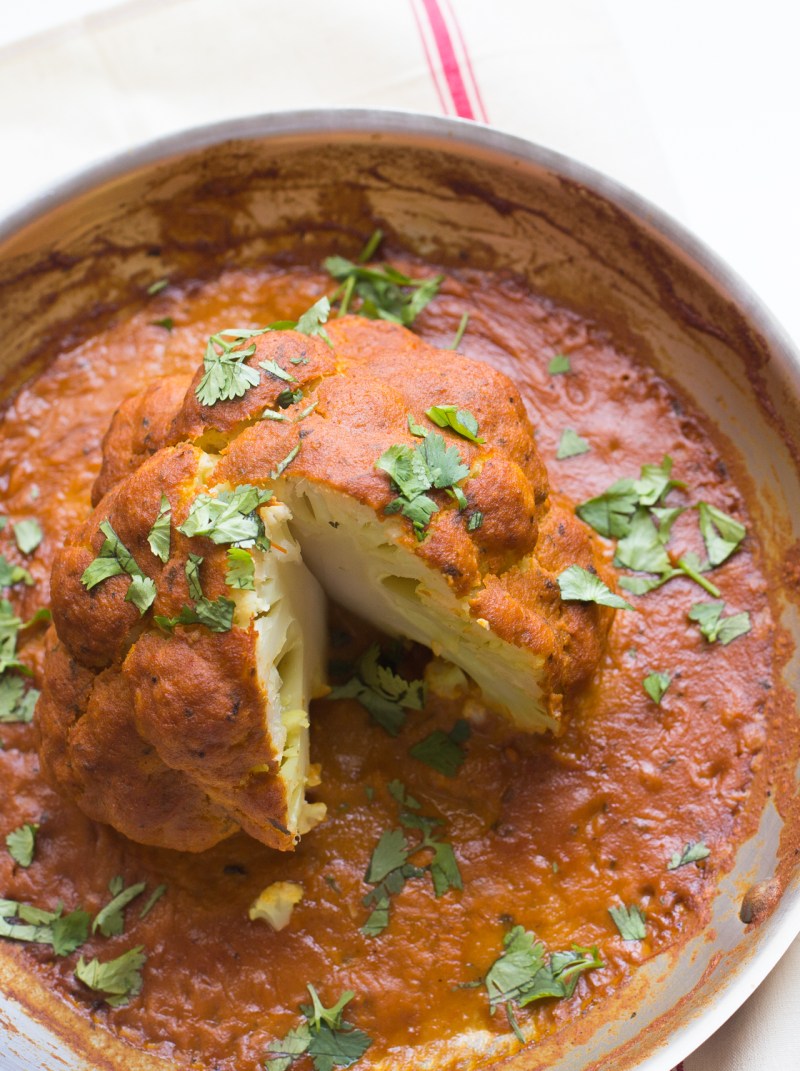
Gobhi Musallam is a roasted cauliflower dish from the Uttar Pradesh region of Northern India. While the origin of the dish itself is hard to trace, the origin of cauliflower isn’t. Cauliflower is a direct descendant of wild cabbage, and a close cousin to broccoli. Although it was known in Europe during the Middle Ages, it disappeared until sometime in the 17th Century, when Italy reintroduced it to the rest of Europe. Surprisingly, the Italians probably got cauliflower from the Middle East and Asia, who had likely acquired it from Europe during the Middle Ages. I think it’s pretty cool that cauliflower disappeared from its place of origin, only to be re-introduced by another culture.

We love this dish for several reasons. First of all, it’s an easy dish to put together: parboil the cauliflower, whip up a sauce, combine the two and roast in the oven. It’s a very impressive dish to serve to guests, and slicing/serving the cauliflower is a memorable experience. Lastly, and maybe most importantly, Gobhi Musallam is absolutely delicious and an interesting way to enjoy cauliflower.

Read Full Article

Carne de Porco à Alentejana is a traditional recipe from Portugal, made from a combination of pork, wine, paprika, clams, and black olives, and typically served with roasted or fried potatoes. When a reader first suggested I tackle this dish, I was floored by the seemingly odd ingredients list; but much like Chicken Marbella, the offbeat ingredients mixed together perfectly to create a unique taste that’s more than the sum of its parts.

While the name might lead you to believe that this dish originated in the Alentejo region of Portugal, it’s actually from Algarve (the Southernmost point of the country). Legend has it that chefs in Algarve gave the dish this name to let diners know that the pork was from Alentejo-raised pigs, who were fed acorns and had a flavorful meat. At the time, pigs in Algarve were fed fish scraps from the burgeoning canning industry, and was not considered very tasty. Some argue that the addition of clams to the dish was a way of masking any “fishy” tasting pork.

Read Full Article

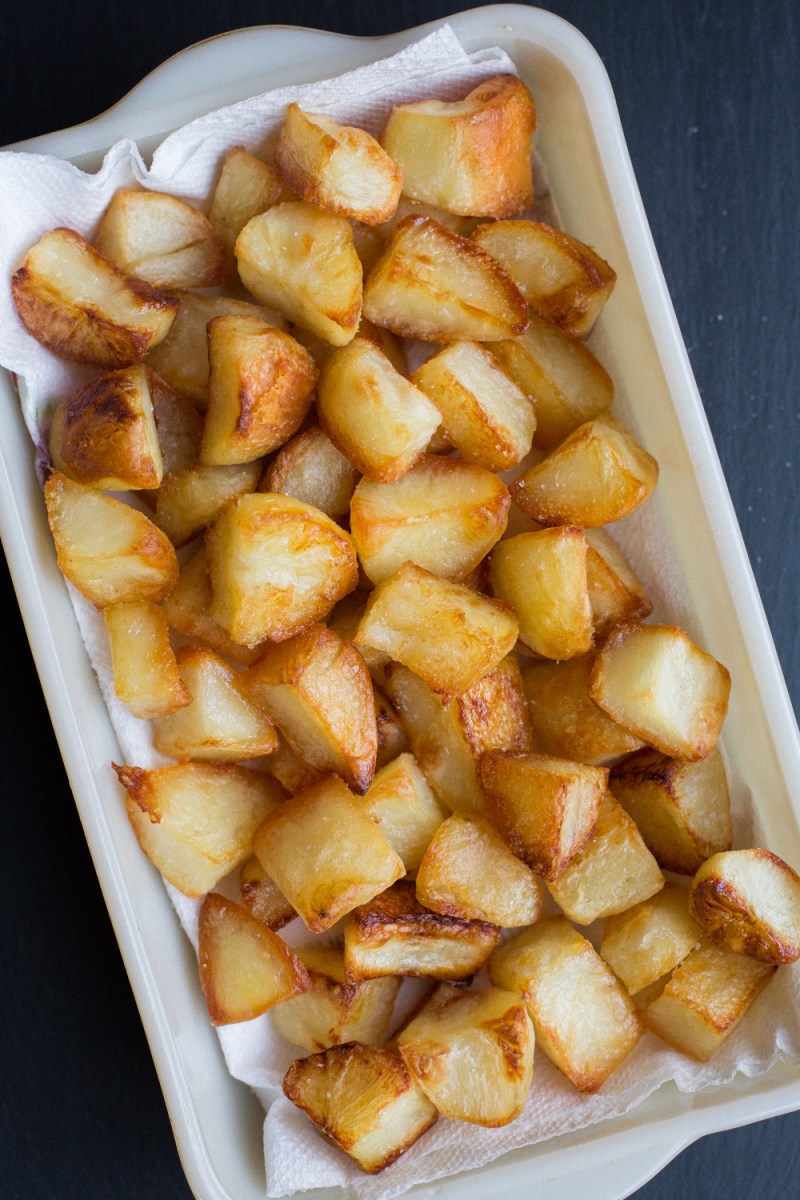
This week’s recipe is very simple, and is actually a setup for next week’s recipe. At the same time, this recipe also carries a mandate: you should be cooking with duck fat. Not only does it have an excellent nutritional profile, it is an ideal roasting fat. Potatoes in particular really shine when cooked in duck fat.

Ducks have been consumed since prehistory, but the Chinese were the first to domesticate them, over 3,000 years ago. It may surprise you but nearly all domesticated ducks, including the white Pekin duck which is the most commonly-consumed duck, are descended from Mallard ducks. The only exception is the Muscovy duck, which is a native of Central America, and has recently been gaining ground as a domesticated duck raised for food. Ducks have a thick layer of fat between their muscles and skin, to help them stay buoyant. Up until the 1900s, duck breast was more often than not served rare, something that most people nowadays (myself included) would have a hard time stomaching.

Read Full Article

I know what you’re thinking. “But Russ, it just turned October, and you’re already posting about Thanksgiving turkey!” While that’s true, there’s a simple explanation: if you want to celebrate Thanksgiving this year with a wholesome, happy, and pastured turkey, you’re going to need to contact a local farmer and pre-order it soon. As in, right away. So this recipe serves as both a reminder to pre-order a turkey soon, and a guide on what to do with the bird when you get it. I’ve been smoking chickens and turkeys for a while, but I’ve been lousy at sharing my results. So this is my definitive guide on how to get a great smoked turkey, using either a gas or charcoal grill. I love smoking turkeys because the flavor is awesome, but also because it frees up valuable oven space on what tends to be a hectic day.

The common turkey we eat today is a domesticated descendant of the wild turkeys originally found in North America. When Europeans first saw turkeys, they incorrectly thought they were a form of guineafowl, which was sometimes called “turkey fowl” because back in the day they were imported into Europe through Turkey. The name “turkey” stuck with this bird afterwards. Interestingly, many European countries (including France, Italy, Ukraine, Poland, and Russia) call the bird a derivative of “India” or “Indies” because of a similar confusion with guineafowl (which was also imported from India), or possibly because the New World was often thought to be part of Asia during the European Renaissance.

Read Full Article

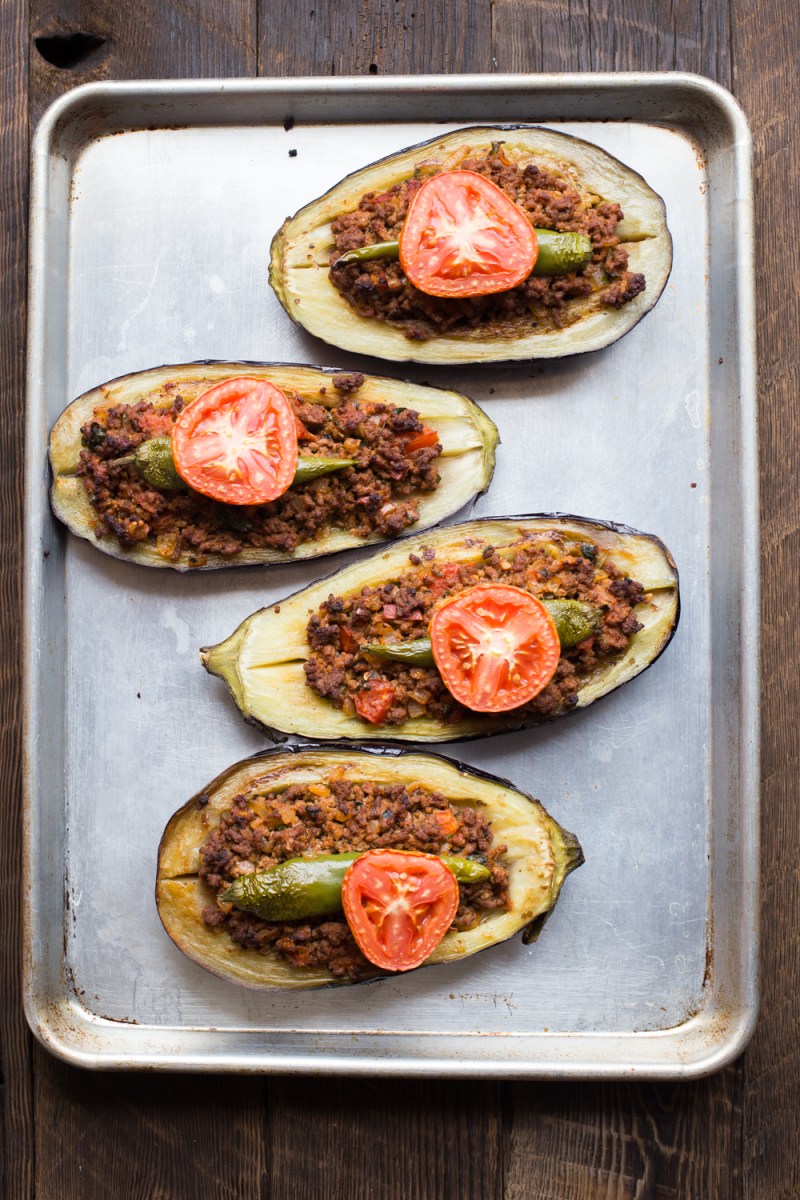
Our local market had some really nice-looking eggplants the other day, so I decided to pick up a couple and whip something up. When coming up with an idea for the dish, I decided to refer to some of the eggplant experts: the countries that live along the Mediterranean coast. Italy seemed too easy, so I went with Turkey instead, who have several classic eggplant dishes. Karniyarik is a stuffed eggplant dish from Turkey, similar to another popular Turkish dish, Imam Bayildi, which is similar but made without ground meat.

Eggplants got their name from their egg-like shape, although they are referred to as aubergines nearly everywhere outside of the United States. Eggplants were probably first cultivated in India about 2,000 years ago, before making their way to the Middle East and Europe. It was one of the first foods brought to the Americas by Spanish and Portuguese explorers in the 16th century.

Read Full Article

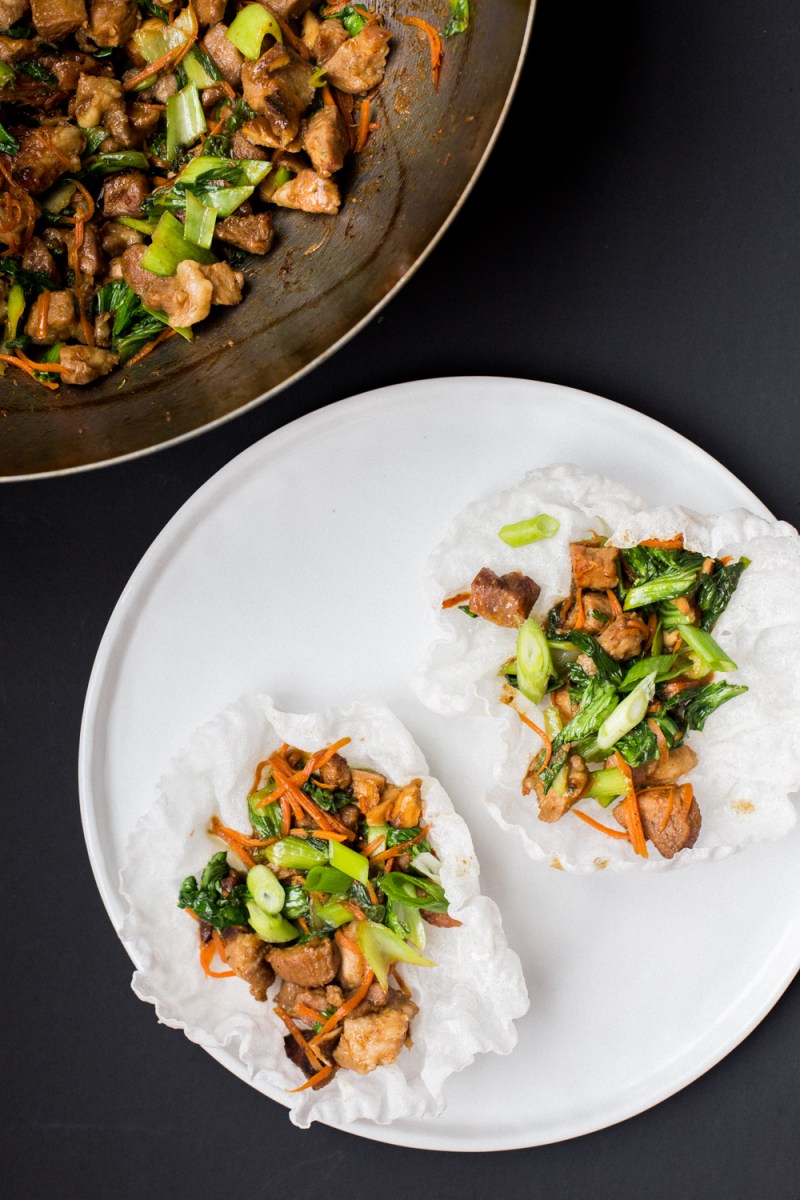
A reader recently tipped me off about the idea of pan-frying rice papers (bánh tráng) to make a quick snack. Not only was it a great idea, it served as a unique way of making a quick serving “dish”; in fact, they acted not unlike tostadas in that sense. So to keep with the theme of rice papers, I decided to make some deconstructed spring roll “tostadas” as a quick and easy meal.

Read Full Article

This past weekend I competed in a bacon cook-off fundraiser, entitled Baconpalooza, which was hosted by the Farm-to-Consumer Legal Defense Fund. The contest was part of an entire weekend of events, which included a tour of Joel Salatin’s Polyface Farm and nutrition talks and cooking demos by Robb Wolf and Jenny McGruther. My competition was very stiff during the cook-off, with many imaginative and delicious entries trying to woo the sold-out crowd of 250 voters.

I’m happy to say that I was the winner of the cook-off! I thought it would be neat to share the recipe of my winning dish so you can recreate it at home.

Read Full Article

Hey folks! Tonight at 7pm ET (4pm PT) I’ll be one of three home chefs participating in a live Google+ Hangout “Cookalong” with MasterChef Top 4 contestant Jessie Lysiak; be sure to tune in via the MasterChef Google+ page or FOX’s YouTube Channel to watch me in action! Thanks for the support!

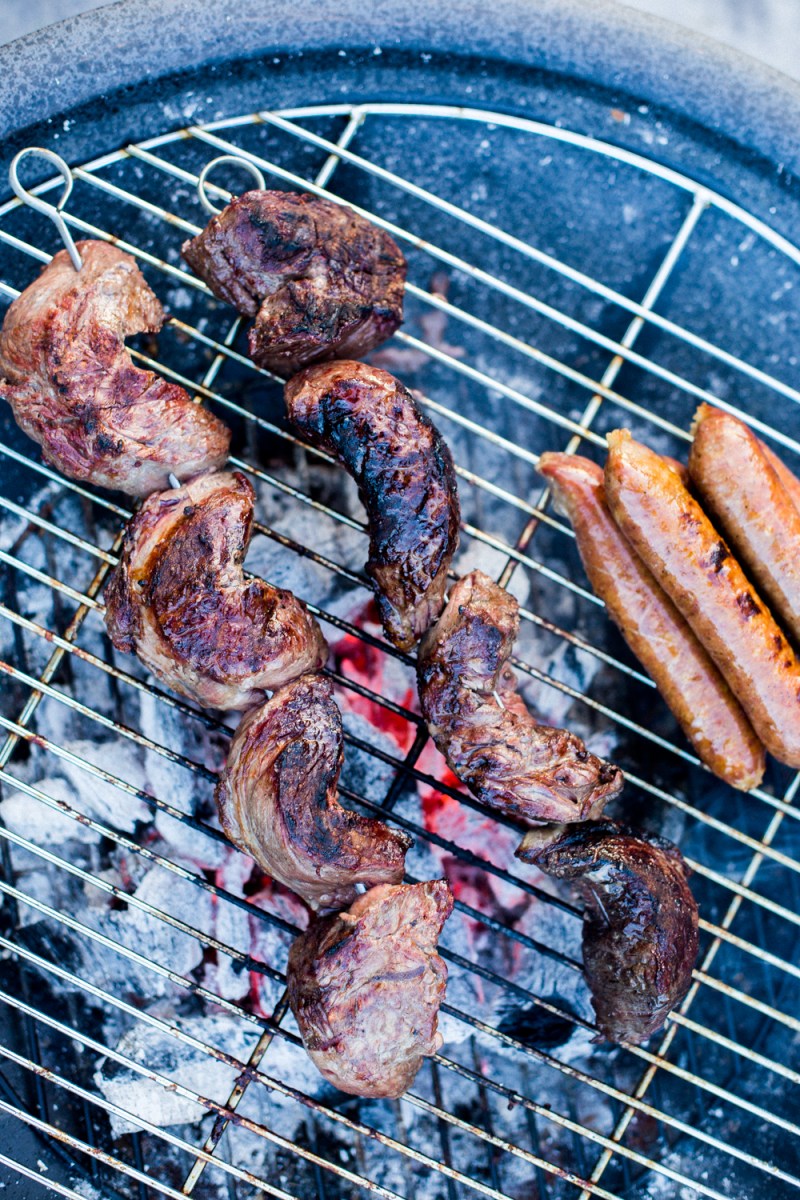
Most of the time, I really appreciate a well-marinated chunk of meat. Or something that’s been swimming in a fragrant sauce for a while. But every once in I while I like to bring dishes back to their basics – and this week’s recipe fits the bill nicely. Picanha (pronounced “Pee-cone-ya”) is about as simple as it can get: skewered rump cap roasted over an open fire, flavored with only sea salt. It’s a staple dish of Brazilian barbecue (churrasco) and one of the more prominent dishes from the region.

A rump cap is hard to find in many American butcher shops, as it’s often incorporated into the cut we call rump roast. If you’re lucky enough to find it in North America, the rump cap is usually identified by a thick layer of fat on one side which flavors the meat as it grills. As an alternative, we used a couple top sirloins from US Wellness Meats, which had a nice layer of fat on one side, mimicking the rump cap perfectly.

This week’s recipe, like last week’s Couve a Mineira, is part of a team-up recipe with my friend Alex Boake. Be sure to check out her illustrated version of this recipe!

Read Full Article

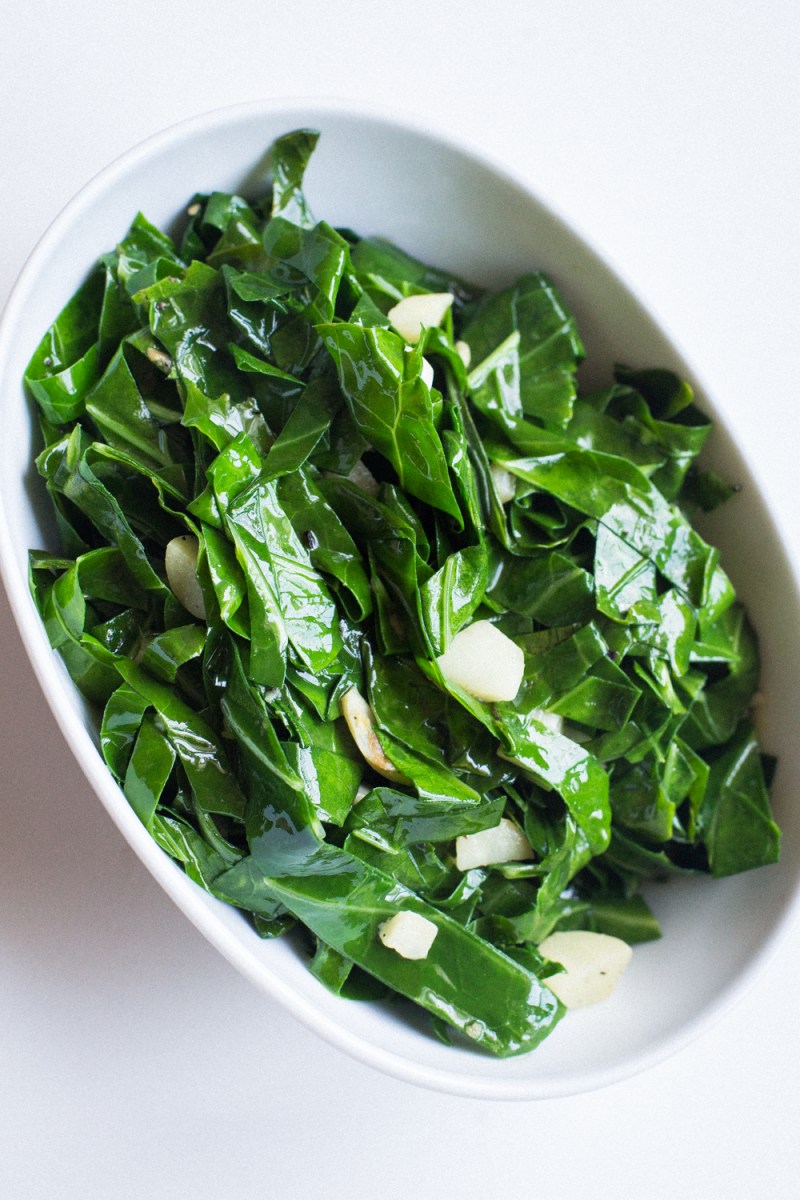
Although the common consensus is that collard greens originated in the Mediterranean, they gained their most widespread popularity in Africa (see my Sukuma Wiki recipe). It is assumed that collards made it to most of the Americas via African slaves. In Brazil, it’s a different story, as collard greens were likely introduced via Portugal, where it has been a staple veggie for hundreds of years (as evidenced by my Caldo Verde recipe). Today, collards are served often in Brazil, usually as an accompaniment to fish or beef.

Today’s recipe is a collaboration with my friend Alex Boake, who stayed at our house for a few days before heading off to Ancestral Health Symposium with us. She’s going to post an illustrated version of this recipe on her blog later this week, so bookmark her site! We’ll be knocking out a couple other illustrated recipes in the near future as well, so this is just the tip of the illustrated Paleo recipe iceberg. Update: Here is Alex’s post!

Read Full Article

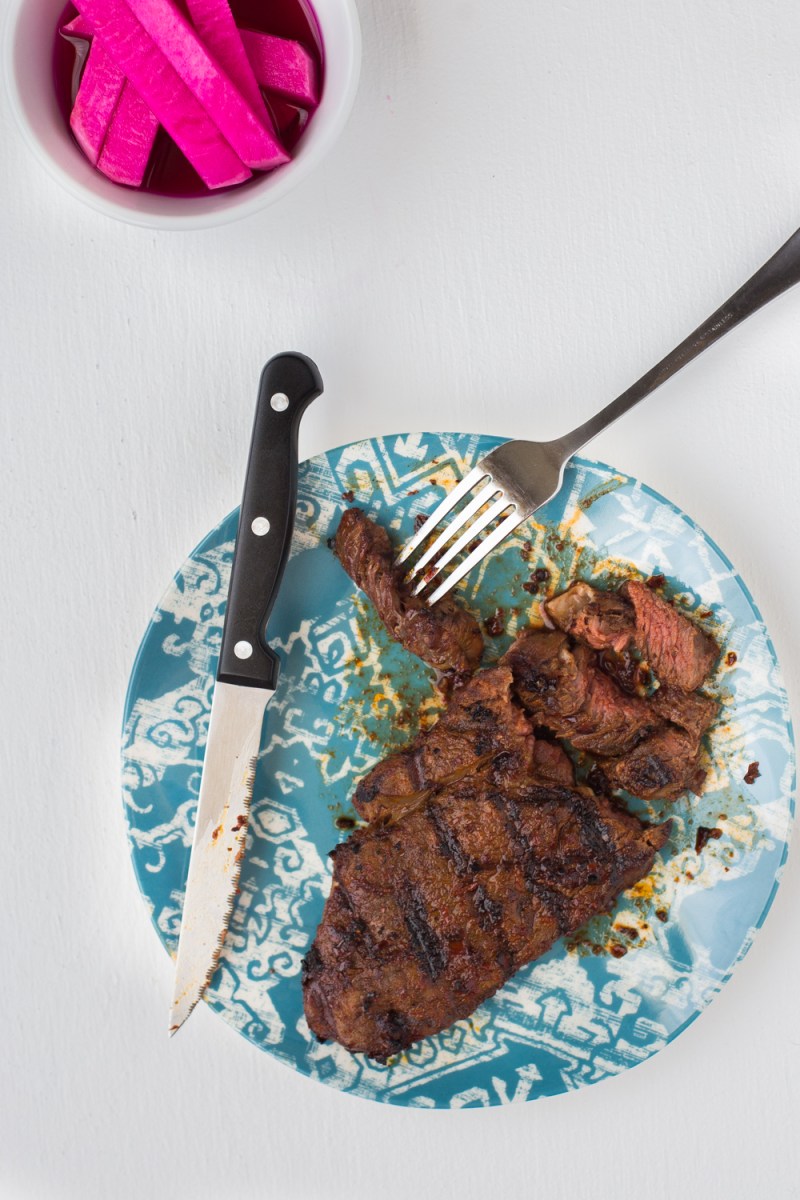
A while back I decided to try out a few new uses for my harissa recipe, besides the lamb tagine dish I posted last year. One great thing about harissa is that it’s so full-flavored that it can take an otherwise simple dish and make it immediately and exponentially complex (not to mention tasty). For example, I tried simply spooning it onto a couple steaks before grilling them, and the taste was ridiculous: the North African condiment formed a nice crust around the steak, but didn’t fully penetrate the pure meaty taste of the steaks themselves. It was a winning combination.

Warning: this is a super simple recipe. I’m still recovering from my trip to Atlanta for the Ancestral Health Symposium, where I spoke about gourmet culinary practices in a Paleo context. I’ll post more about my trip later this week.

Read Full Article