recipe

My parents-in-law recently visited from Hawaii over the holidays, to help around the house as we adjusted to having a new baby in our family. It was great spending the holidays with them, but it also made me realize how much I miss living in Hawaii. I lived there from ages 21 to 28, and many of the events that shaped who I am today – from meeting and marrying my wife, to honing my skills as a home chef, to suffering the worst of my health adventures – came while living in view of the Honolulu skyline. For a few of those years, Janey and I lived with her parents, whom we affectionately called our “roommates”.

When we left the island in 2008, it genuinely felt like I was leaving home; time has caused that sentiment to wane a bit, but in the end, Hawaii has a special place in my heart. And within that special place in my heart there is another, perhaps specialer place in my heart, which is where Hawaii’s Chinese-style oxtail soup resides.

The title for Hawaii’s best oxtail soup is hotly contested. I’ve heard everything from Kapiolani Coffee Shop to Aiea Bowl. Somewhat surprisingly, restaurants attached to bowling alleys are generally known for having good oxtail soup – even the famous Kapiolani Coffee Shop oxtail soup got its start at Kam Bowl, which closed in 2007 but re-opened just last month.

I like to think that preparing an authentic dish from Hawaii makes the sting of not living there hurt a little less, and you really can’t go wrong with a Chinese-inspired creation that’s equal parts rich and comforting. So we’re going to recreate it today for those of us who can’t just drive to our local bowling alley to buy a bowl of soup. Included below are stovetop and electric pressure cooker variations of the recipe, whatever floats your boat.

Read Full Article

Recently, I stumbled upon J. Kenji Lopez-Alt’s technique for pressure-cooker risotto, and decided to take it for a spin using my Instant Pot electric pressure cooker. Considering that risotto has been around for 600 years, it’s nice to see a new spin on a classic preparation.

This technique worked perfectly (big surprise), so I have been using it frequently as a means to make perfect risotto without all that stirring. I even had to buy a new bag of arborio rice this past weekend, which is a rare occurrence – risotto rice always seems to last forever. If you don’t have a pressure cooker (yet!), don’t worry, I’ve included stovetop instructions as well.

To highlight this new take on risotto, I decided to err on the side of decadent: duck fat, mushrooms, prosciutto, and orange zest all fit together seamlessly to form a dish that’s equal parts familiar and exotic – and surprisingly dairy-free, to boot.

Read Full Article

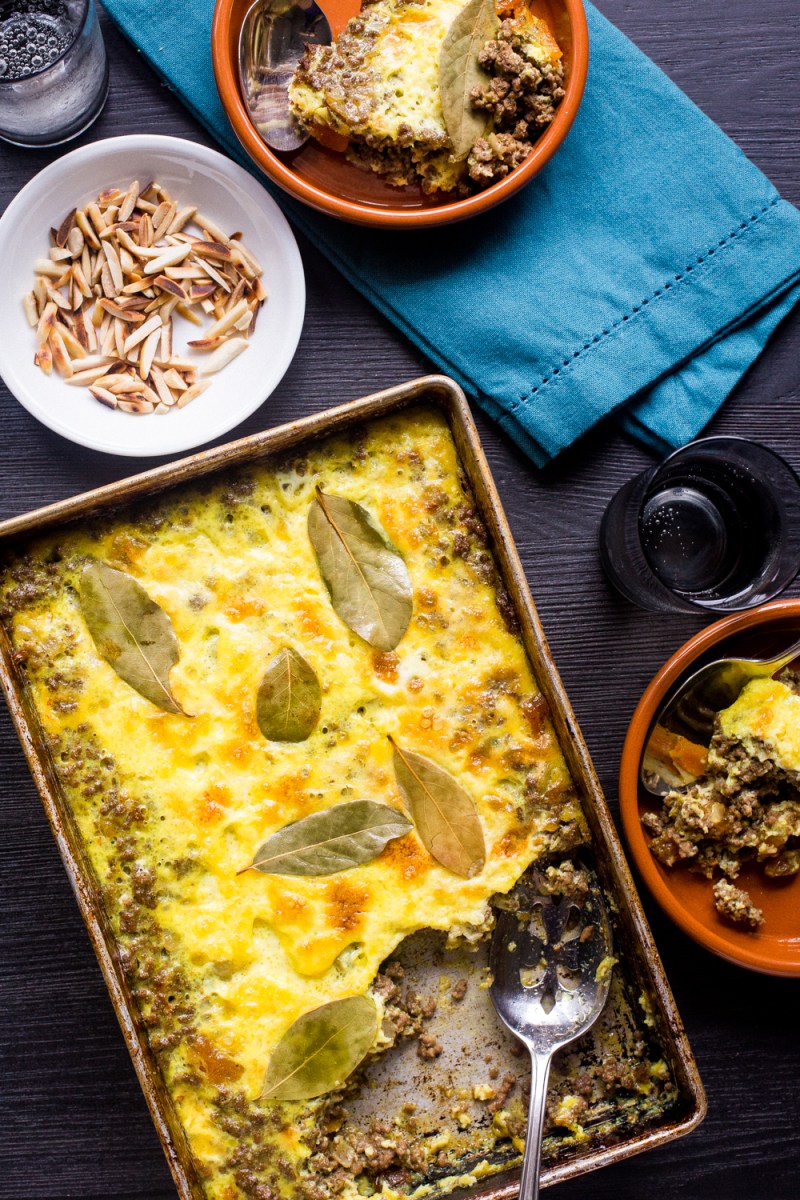
Bobotie is a baked mincemeat dish and one of the more recognizable foods to come out of South Africa. It’s commonly believed that Bobotie was first derived from the Javanese dish Botok, as Dutch colonists brought the dish to South Africa from their settlements in Indonesia (née Dutch East Indies) in the 17th century. While Botok is made with minced meat wrapped in banana leaves, Bobotie is often seasoned with curry powder and dried fruit and baked with a egg custard topping – a reflection of both local ingredients and European colonial tastes.

This dish joins the ranks of other dishes on my blog, like Mulligatawny Soup and Sukuma Wiki, as exotic-tasting meals that can be created using items you likely already have in your pantry. These are some of my favorite dishes to create and share, as they have a fairly low barrier to entry but can expand your palate and culinary repertoire.

Read Full Article

As far as I can tell, one of this year’s most popular gadgets was the Instant Pot, an electronic pressure cooker that doubles (triples, etc) as a slow cooker, rice pot, steamer, yogurt maker, and more. I’m most frequently asked to develop recipes for it by my readers, followed closely by folks looking for slow cooker (crockpot) recipes. So this week’s Pot Roast recipe is the best of both worlds – a pressure cooker recipe that also includes instructions for slow cookers. Heck, I even threw in Dutch Oven instructions while I was at it.

Don’t let the lengths of these instructions scare you away. Each recipe is essentially four parts: brown the roast, cook the roast (and vegetables), broil the roast (and vegetables), and reduce the sauce. It’s a bit more involved than dumping everything in a pot, but well worth the extra effort: tender meat, roasted vegetables, and tasty sauce all at once.

Read Full Article

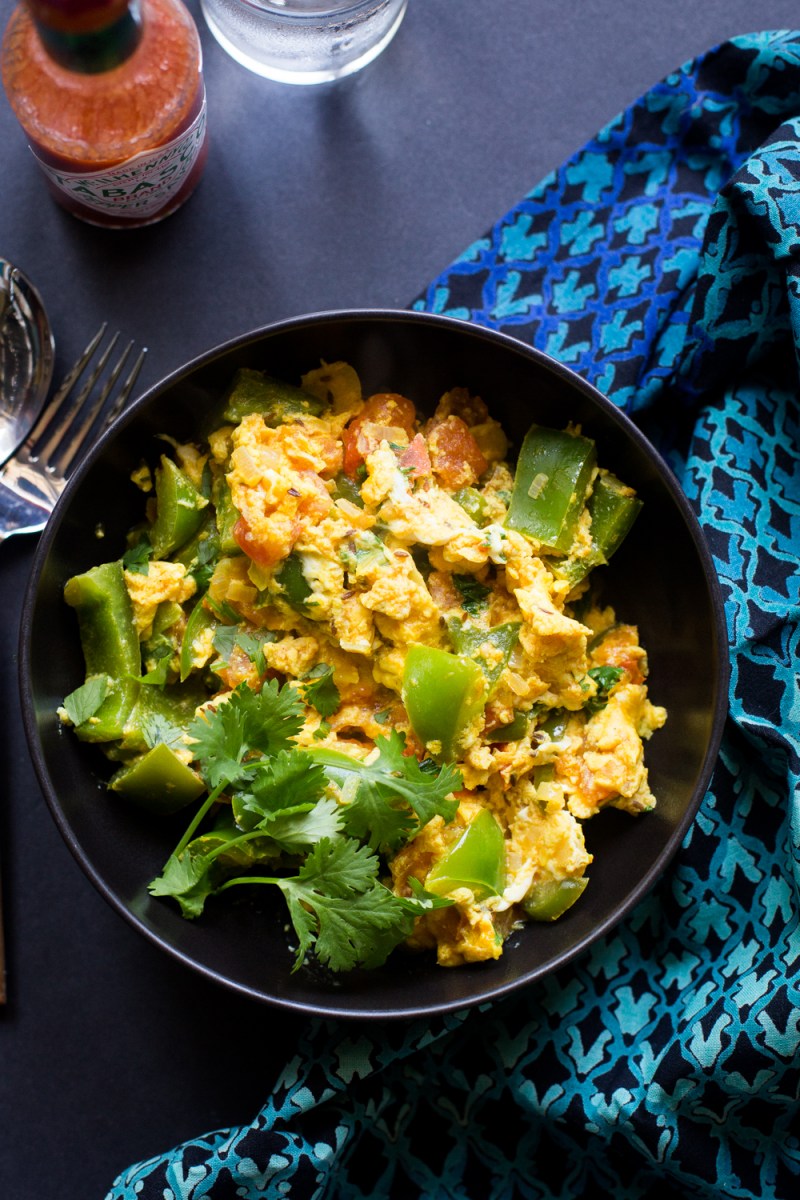
Many mornings, I wake up in the mood for eggs…but also not in the mood for eggs, you know what I mean? The consistency and flavor of traditionally-prepared eggs are both a godsend for predictability and a major exercise in patience for discerning eaters like yours truly. And it’s not just me who is sometimes bored with eggs; it’s a global pheomenon, demonstrated by the myriad of ways to prepare eggs – scrambled, fried, flipped, deviled, basted, roasted, poached, shirred, boiled, and scotched. I feel like a cast member of Forrest Gump right now, but you get my point.

Egg Bhurji is a recent favorite, as it combines exotic South Asian flavors with an egg scramble for delicious effect. All it takes is a bit of prep to chop and soften the vegetables before adding in the eggs; it’s definitely worth that extra few minutes of effort.

Read Full Article

When filling out our weekly meal plan, my family often consults my cookbooks; after all, the main reason I included particular recipes in those books is because they’re our favorites. This week we decided to make the Thai Red Curry recipe from Paleo Takeout, and I thought it would be fun to share the recipe with you folks as well.

Thai Red Curry differs from other popular Thai curries in that its base is made from dried chiles instead of fresh chiles. In order to temper the considerable heat of dried Thai chiles (usually the only chili used in traditional Thai Red Curries), I use a combination of large, mild dried chiles (like Anaheim, Guajillo, or New Mexico chiles) and spicy Thai chiles. To increase the intensity of your curry, simply add more spicy chiles.

Read Full Article

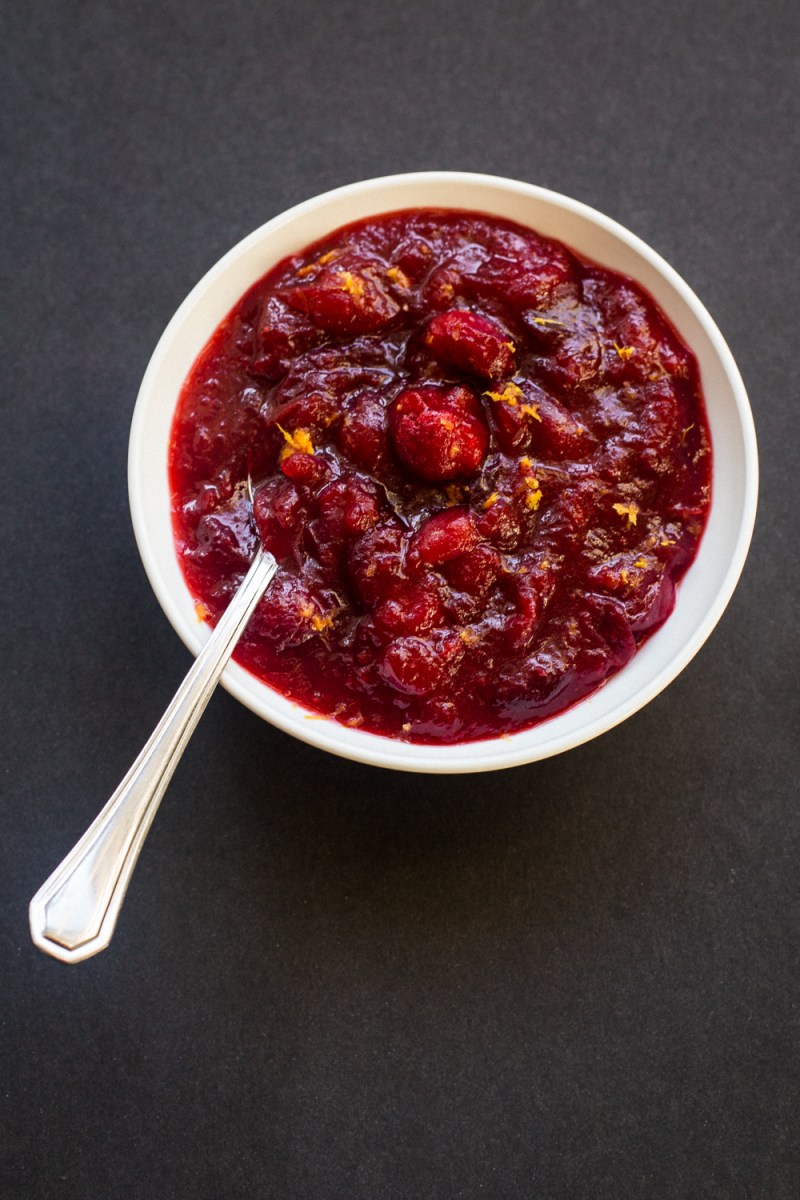
I know what you’re thinking – two recipes in one week? That’s right folks, in anticipation of one of the biggest cooking days of the year next week, I’m providing you with 200% of my typical weekly recipe spread. Tuesday’s recipe for Devilish Eggs makes for a perfect appetizer, while this simple cranberry sauce is fitting for any Thanksgiving plate: Paleo, Primal, gluten-free, or even gluten-laden.

I’m going to be on the road for most of next week (one last family vacation before our second child arrives next month), so I want to give you a few news updates before your holiday shopping reaches full swing.

First, the Kindle version of my debut cookbook, The Ancestral Table will be on sale November 24th (this coming Tuesday) for $2.99, 66% off its normal price! This is part of a large-scale, one-day Paleo eBook sale; follow this link to sign up and be notified the moment the discount is available. Also, I’ll post the full list of eBooks on sale at the bottom of this recipe – it’s an excellent selection!

Next, the folks behind TX Bar Organics are offering 35% off all orders over $100, with free shipping on orders over $175 using the code “HOLIDAYS” (all caps). This is an excellent opportunity to fill your freezer with high-quality organic grass-fed beef.

Finally, I’ve recently started writing for Yahoo Food, which has been a lot of fun. Check out this recipe for New Brunswick-Style Potato Stuffing. This stuffing rounds out the perfect holiday meal, when paired with the cranberry sauce recipe below plus some other favorites: Devilish Eggs, Smoked Turkey, Roasted Brussels Sprouts, and Mashed Sweet Potatoes.

Read Full Article

When first moving to our current home in Pensacola, Florida last year, we were initially concerned with how we were going to easily do our grocery shopping. After all, living in the Baltimore/DC area had spoiled us in terms of convenience; there, you can randomly throw a stone and likely hit Trader Joe’s, Wegmans, MOM’s, Costco, or Whole Foods. But after looking at a map of Pensacola and seeing that those stores were hours away, we figured a change in shopping habits was in order. So we started to lean more heavily on a local (pricey) health food store and weekend farmer’s market, and buying bulk from online vendors like US Wellness Meats and Tendergrass Farms.

But then last weekend I visited my local grocery store, and was pleasantly surprised to find how easy it was to find relatively healthy ingredients (many of the items I would expect to find in our favorite grocery stores before moving). Organic vegetables, grass-fed and pastured meats, wild-caught seafood, full-fat dairy, and gluten-free items were plentiful. It seems like many grocery stores are starting to prioritize real foods, and it is an excellent sign.

So I decided to carry out an experiment. What if I could whip up a meal using only ingredients found in our local Publix grocery store, while still aligning to my dietary restrictions? It just so happened that I was also eager to re-tackle an old lasagna recipe from several years ago, so it all fell together nicely.

Note: I still get frequent request for my first lasagna recipes, so here it is in convenient PDF form.

Read Full Article

Local friends: I’ll be having a talk, cooking demo, and book signing in a couple weeks – for more info, see the bottom of this post.

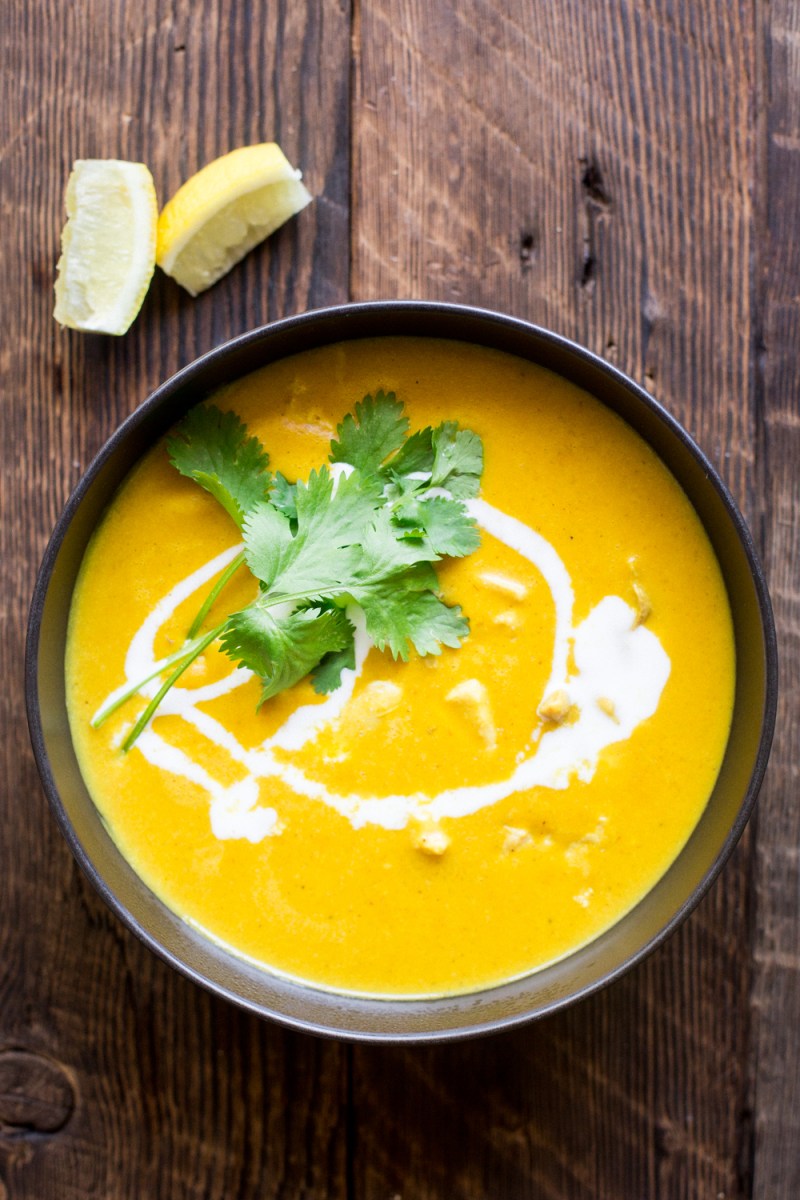
This little soup has made quite a journey over its lifetime. It was traditionally a sauce served over rice in its native India, but British colonials returning to England from travels abroad in the 19th century sought to recreate the dish at home. It eventually evolved into a mildly-flavored soup and spread as far as Australia, and there are now hundreds of variations of the dish.

While coconut milk was likely the original ingredient used to add richness to the soup, cream eventually took over in the UK. Personally, I like the exotic notes that coconut milk provides, so I reverted this dish back to its roots. This soup is typically thickened by adding rice and blending it with the other ingredients, but if you’re rice-free, don’t worry about it, the soup will still have a fairly hearty thickness to it thanks to the soup’s blended sweet potato.

One of my favorite aspects of this dish is that it imparts a slightly exotic flavor while using common ingredients (much like another favorite, Sukuma Wiki). Lastly, one fun fact: the name mulligatawny is derived from the Tamil (Southern Indian) words மிளகு தண்ணீர் (mullaga and thanni), which translate to “pepper water”.

Read Full Article

A favorite dish from Paleo Takeout is my Ramen recipe (page 112), which contains eight different types of Ramen and a variety of add-ins. It’s an excellent way to enjoy different takes on the same soup, while sneaking in a good amount of broth at the same time.

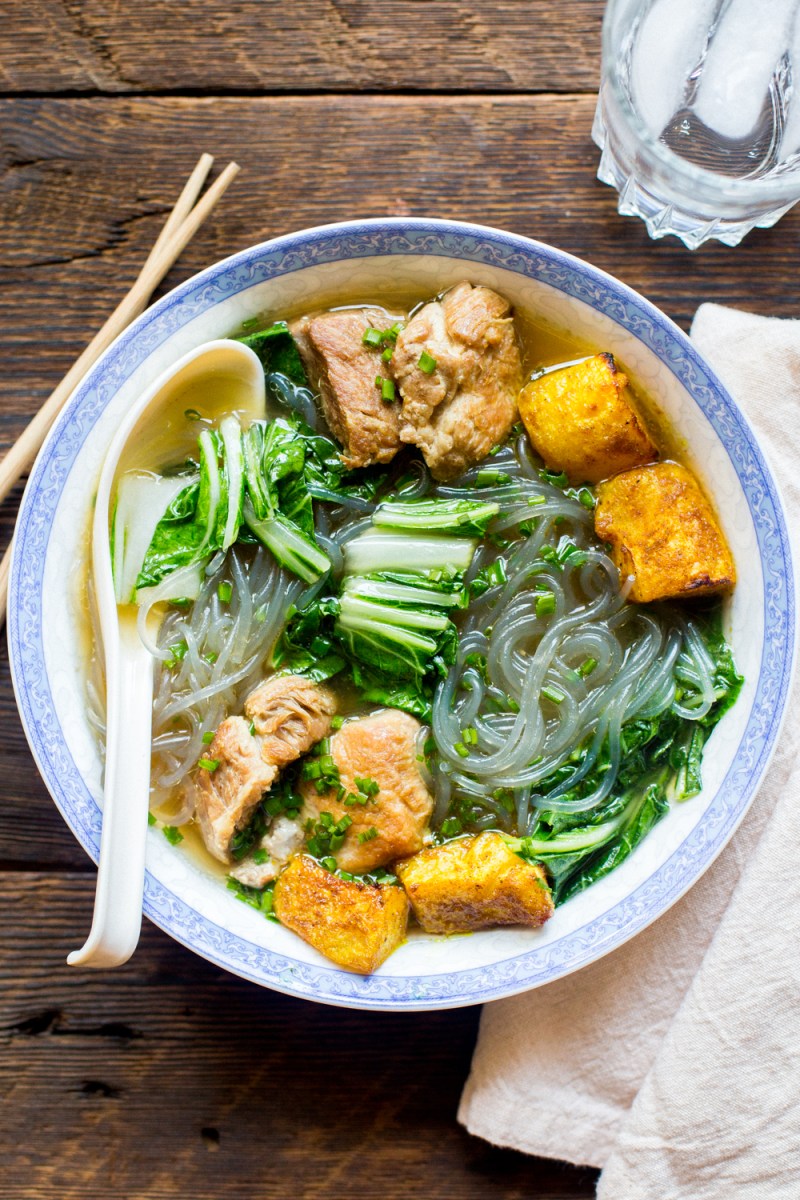
Like a lot of North America, we’re receiving a ton of rain right now, which always puts me in the mood for soup (admittedly, it doesn’t take much for me to get in a soup-eating mood). I figure some of you might be interested in soup right about now too, so here is my take on a simple pork-based Ramen, with some added curried winter squash to celebrate the coming winter season. Both pressure cooker and stovetop instructions are provided.

Ramen is a Japanese noodle dish inspired by Chinese cuisine (the word Ramen itself is borrowed from Lāmiàn, a type of Chinese noodle). Ramen is a relatively new phenomenon; it first started appearing in Japan during the early 20th century, but quickly gained ground after World War II, when soldiers returning from war in China had developed an affinity for Chinese-inspired cuisine (namely noodle soups). At the same time, Japan started importing American-grown wheat flour, which spurred the Japanese noodle-making industry. Ramen’s popularity was secured in 1958 when instant ramen noodles were invented, and later exported starting in 1971.

The impressive reach of Japanese Ramen can be neatly summarized by one fact: it has become very popular in China, where it is called Rìshì Lāmiàn (“Japan-style Lāmiàn”). That the soup can originate in one country, gain prominence in another, only to return to the original country with a new identity is both a testament to how delicious this soup is, as well as the ingenuity and adaptability of the human spirit.

Read Full Article